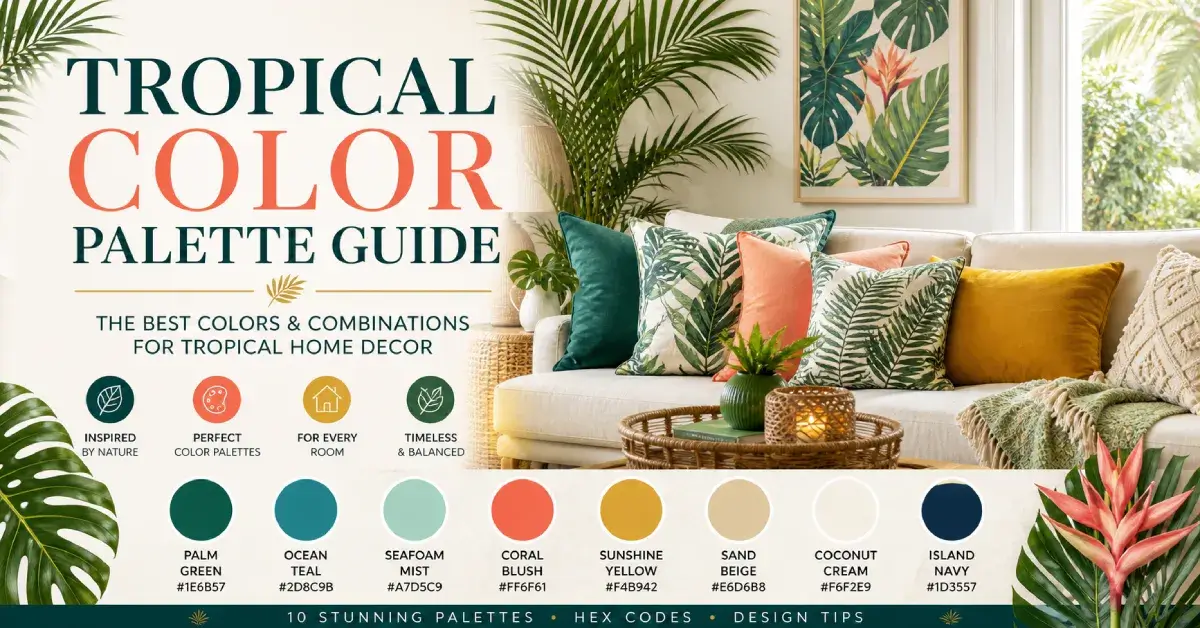
Color is the absolute foundation of every successful tropical interior. Long before a guest registers the texture of your woven rattan chairs or the scale of your monstera leaf throw pillows, they experience the visceral, emotional impact of your room's color palette. In tropical design, color holds a transformative power unlike any other aesthetic; it possesses the unique ability to completely transport a room, turning a landlocked suburban living space into a breezy, resort-style island sanctuary.
However, getting tropical colors right is notoriously challenging. The line between a sophisticated, curated coastal retreat and a chaotic, neon-drenched tourist shop is remarkably thin. The secret lies in understanding the core tropical color families, recognizing how to anchor bright tones with grounding neutrals, and knowing exactly which combinations elevate a space rather than overwhelming it.
In this comprehensive 2025 guide, we break down the ultimate tropical color palettes for your home. From the essential five core color families to the precise hex codes of designer-approved combinations, this guide will equip you with everything you need to master tropical styling—starting with the absolute perfect hues.
| Role | Color Type | Example |
|---|---|---|
| Base (60%) | Neutral | Sand, White |
| Secondary (30%) | Green/Blue | Teal, Palm |
| Accent (10%) | Bright | Coral, Yellow |
The 5 Core Tropical Color Families
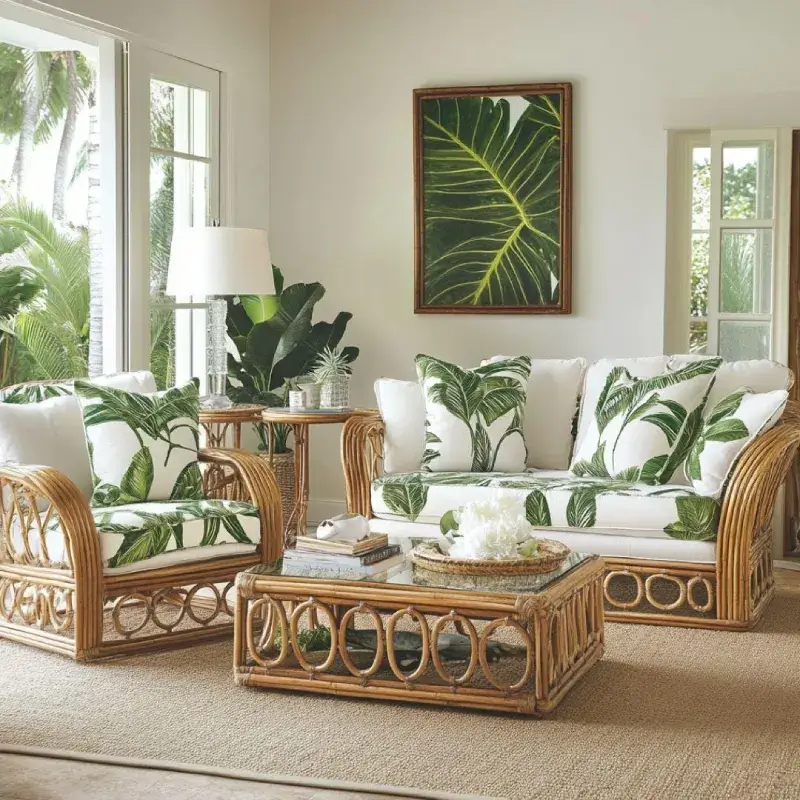
Every effective tropical color palette builds upon one or more of these five fundamental families. Understanding these groups allows you to mix and match with absolute confidence, ensuring your selections feel organic and harmonious rather than forced.
1. Lush Greens: The Botanical Backbone
Green is the non-negotiable anchor of tropical design. It represents the dense foliage, the overarching canopy, and the thriving life of the jungle. Deep jungle green (#2d5016) provides a moody, sophisticated base, while fern (#4a7c2f) and palm green (#7ab648) inject necessary vitality. Use zesty lime (#b8e07a) sparingly as a vivid accent to mimic sunlight hitting the top of a canopy. Without green, a tropical palette simply cannot breathe.
2. Ocean Blues & Teals: The Water Element
Blue introduces the essential elements of sea and sky. It brings instant calm and cooling energy to spaces that might otherwise feel overwhelmingly warm. Deep navy (#003366) acts as a modern, dramatic anchor that pairs beautifully with crisp white. Rich teal (#1a5f6a) bridges the gap between blue and green perfectly, while lagoon blue (#0099cc) and sky blue (#87ceeb) evoke the clear, expansive waters of a Caribbean coastline.
3. Coral, Hibiscus & Pink: The Floral Punch
To prevent your tropical room from feeling too literal or purely forest-like, you must introduce floral warmth. Coral (#e8714a) is arguably the most versatile and highly sought-after tropical accent color for 2025. Vibrant flamingo pink (#ff6b6b) and softer orchid tones (#d4a5c9) deliver that unmistakable island bloom aesthetic. Blush (#ff8fab) serves as a remarkably effective, muted backdrop that warms up a room without dominating it.
4. Tropical Yellows & Golds: The Sunlight
Yellow brings the required joy, energy, and radiant warmth of the tropical sun. Pineapple yellow (#f5c842) and deep mango (#ffb347) are intensely cheerful hues best used in small doses, like piping on a throw pillow or a single piece of statement artwork. Warm sand gold (#e8d5a3) and classic metallic gold (#ffd700) offer a luxurious, high-end resort feel when paired thoughtfully with deep greens or navy.
5. Grounding Neutrals: The Coastal Anchor
The biggest mistake in tropical design is forgetting the neutrals. Neutrals provide the visual resting place that makes bright colors pop elegantly rather than clashing aggressively. Warm sand (#f5e6d0), rich driftwood (#8b7355), classic tan (#d2b48c), and warm cream (#fafaf5) mimic the beaches, bamboo, and woven rattan essential to the island aesthetic. They keep the space feeling natural and grounded.
The 10 Best Tropical Color Combinations
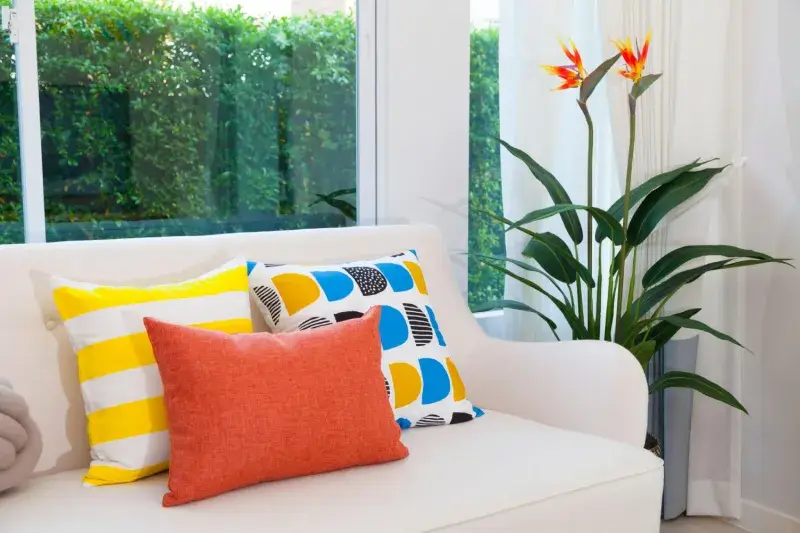
Choosing individual colors is simple; combining them masterfully is where the magic happens. Below are the ten most effective, designer-approved tropical color combinations for 2025. Use these exact hex codes to build your mood boards, source your throw pillows, or select your paint.
1. Island Paradise: Navy + Teal + Coral + White
This is the ultimate, timeless resort palette. The crisp white provides brilliant contrast against the deep, sophisticated navy. The teal acts as a transitional water element, while the coral delivers a necessary pop of vibrant floral warmth. This combination is particularly breathtaking in bright, sun-drenched living rooms.
2. Jungle Luxe: Deep Green + Gold + Cream
If you desire an elevated, expensive look, this is your palette. The deep jungle green feels lush and moody, perfectly offset by the soft, warm cream base. The golden yellow acts as a luxurious metallic accent, reminiscent of high-end tropical hotels in Bali or Tulum. It excels in dining rooms and moody primary bedrooms.
3. Coastal Serenity: Sky Blue + White + Sandy Beige
Leaning heavily into the coastal side of tropical design, this palette focuses entirely on the beach rather than the jungle. It is incredibly calming, making it an exceptional choice for guest bedrooms, airy coastal living rooms, or any space where deep relaxation is the primary goal.
4. Hibiscus Sunset: Coral + Magenta + Orange + Ivory
A highly energetic, intensely warm combination that mimics a striking tropical sunset. Because these colors are so powerful, they must be anchored by a vast expanse of soft ivory. This palette is brilliant for outdoor patios or small, punchy accent areas like a powder room.
5. Modern Tropical: Sage Green + Navy + White
For those who want a nod to the tropics without committing to bright, saturated colors. Sage green offers a muted, highly contemporary take on palm fronds, while navy anchors the space beautifully. It is tailored, crisp, and exceptionally easy to live with year-round.
6. Boho Paradise: Terracotta + Teal + Mustard
Earthy, grounded, and richly saturated. This combination blends the organic warmth of the desert with the deep waters of the tropics. It pairs flawlessly with natural woven textures like macrame, rattan, and jute, making it the definitive choice for bohemian-inspired tropical spaces.
7. Resort Luxe: Deep Teal + Gold + White
A variation of Jungle Luxe that leans slightly more toward the oceanic rather than the botanical. The deep teal provides immense sophistication and depth, while the gold accents (which can be introduced via hardware or pillow piping) deliver undeniable glamour against pure white.
8. Tropical Minimalist: Palm Green + White + Sand
Proof that tropical design does not have to mean maximalism. By restricting the palette to just three organic, nature-derived colors, you achieve a clean, breathing space that highlights the shape of your furniture and the specific botanical prints of your textiles.
9. Dark Tropics: Black + Teal + Coral + Gold
The “Dark Tropics” aesthetic is a massive trend for 2025. Grounding vibrant tropical tones like teal and coral with stark, matte black rather than white creates a moody, nighttime-in-Havana atmosphere that is incredibly chic and daring.
10. Sunrise Tropics: Peachy Coral + Yellow + Sky Blue
A softer, pastel-driven interpretation of the tropics. By utilizing peachy coral instead of harsh orange, and sky blue rather than deep navy, this palette feels incredibly fresh, youthful, and optimistic. It works wonders in spaces with ample natural morning light.
Avoid common styling errors in throw pillow mistakes to avoid.
Room-by-Room Tropical Color Application
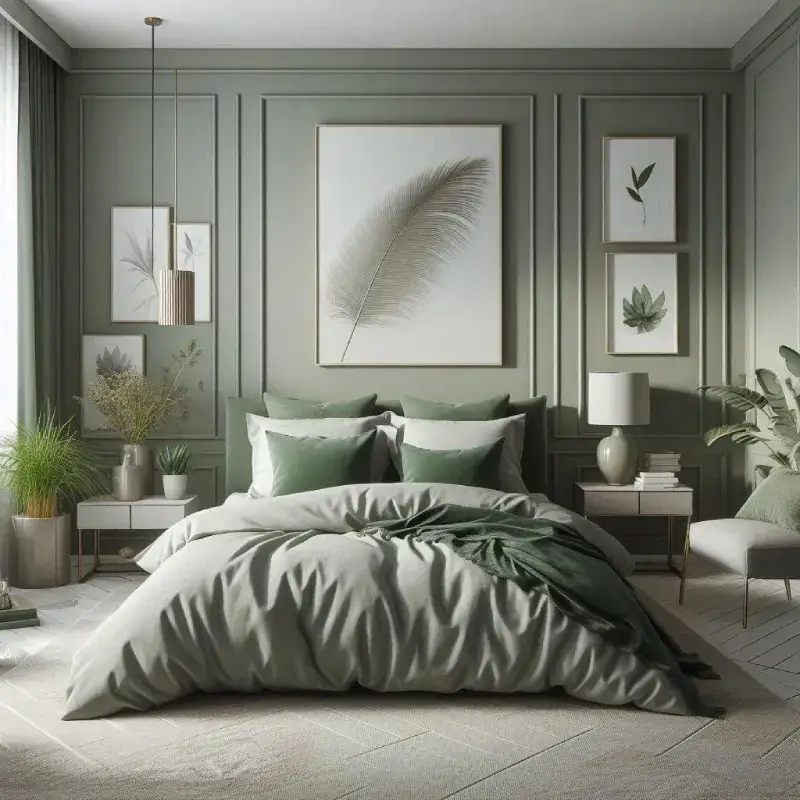
A color palette that looks spectacular on a sunny patio might feel entirely overwhelming in a small, low-light bedroom. Tailoring your tropical palette to the specific function and lighting of the room is essential for cohesive interior design.
Living Room Application
The living room is your primary canvas. It requires a dominant palette that can sustain prolonged use without causing visual fatigue. Anchor the room with a strong neutral or navy on the walls and larger furniture pieces. Use your vibrant tropical shades—like coral, deep teal, and palm green—exclusively through accent pillows, large artwork, and area rugs. This allows the room to feel distinctly tropical while remaining highly livable and elegant.
Bedroom Application
Bedrooms demand calming, restorative environments promoting restful sleep. Shift your tropical palette toward the softer, muted ends of the spectrum. Opt for sage greens, dusty blush pinks, and sky blues, anchored by vast expanses of warm sand and cream. A single, beautifully detailed botanical throw pillow on a pristine white duvet cover delivers the perfect amount of tropical flair without over-stimulating the senses at night.
Outdoor Spaces & Patio Application
Outdoors is where you should confidently break the rules. Natural sunlight washes out subtle colors, meaning outdoor spaces require bolder, significantly brighter palettes. Do not shy away from vivid hibiscus pinks, deep navy stripes, and bold pineapple yellows. Ensure you select UV-stable fabrics (like Sunbrella) for these bright colors to prevent aggressive sun fading over the summer months.
| Room Type | Recommended Dominant Color | Best Accent Colors | Ideal Pillow Palette |
|---|---|---|---|
| Living Room | Warm Sand or Navy | Teal, Coral, Deep Green | Island Paradise or Resort Luxe |
| Bedroom | Cream or Sky Blue | Sage Green, Dusty Rose | Coastal Serenity or Modern Tropical |
| Patio / Outdoors | White or Driftwood | Vibrant Orange, Bold Teal, Yellow | Hibiscus Sunset or Boho Paradise |
How to Build Your Own Tropical Color Palette
If you prefer to custom-build your own unique tropical palette rather than relying on standard combinations, follow this foolproof, designer-tested framework. This structured approach ensures your selections remain balanced and visually engaging.
1. Start with Your Dominant Color (60%)
Select the color that will cover the majority of the room (walls, large rugs, main sofa). In tropical design, this is almost always a reliable neutral: crisp white, warm sand, or occasionally a very pale, atmospheric blue.
2. Choose a Complementary Secondary (30%)
This color will carry the tropical theme. It appears on accent chairs, curtains, and large secondary elements. Deep jungle green, rich navy, or saturated teal are exceptionally strong secondary choices.
3. Add a Bold Accent (10%)
This is your punch of unmistakable tropical flavor. Coral, hibiscus pink, or bright yellow. Apply this color sparingly: piping on cushions, a piece of artwork, or a small decorative vase.
4. Anchor with a Natural Texture
While not strictly a “color,” woven elements like rattan, jute, or bamboo provide a vital visual break and add the essential organic warmth that authentic tropical design demands.
5. Test with Throw Pillows First
Never paint a wall or buy a sofa before testing your palette. Purchase or arrange three throw pillows that represent your 60/30/10 colors. If the pillows look cohesive and beautiful together on a chair, the palette will translate flawlessly to the entire room./
Learn how to apply this in real setups in our how to style pillows on a sectional guide.
2025 Tropical Color Trends
The tropical aesthetic is continuously evolving. For 2025, we are moving decisively away from the chaotic, neon-drenched “tiki bar” look of the past decade. The Dark Tropics movement is gaining massive traction, pairing deep jewel tones like emerald and navy with stark matte black to create moody, sophisticated rainforest aesthetics. Conversely, Quiet Tropics emphasizes muted sage greens, dusty rose, and sun-bleached terracotta for a highly relaxed, earthy botanical vibe.
We are also seeing the rise of Global Fusion palettes, which seamlessly blend traditional Caribbean tropical colors with rich, earthy Indonesian batik influences (think deep mustard yellows paired with vibrant teals). Even the energetic Digital Tropics trend is maturing, pairing highly saturated electric teal with neon coral, but strictly anchoring them against pure, gallery-white walls to maintain modern elegance.
Applying Tropical Colors to Throw Pillows
Throw pillows are undeniably the absolute best, lowest-commitment vehicle for injecting a tropical color palette into your home. They allow you to test bold combinations without the financial risk of purchasing expensive furniture or repainting walls.
To apply your tropical palette successfully via throw pillows, rely on the designer-approved 3-pillow formula. Start with one large, bold botanical print pillow that contains all the colors of your chosen palette (this acts as your visual anchor). Next, select a solid-colored pillow that pulls out the dominant background hue from the print. Finally, add a highly textured pillow (like a woven solid or a subtle geometric) that highlights the bright accent color, such as coral or yellow.
The Neutral Sofa Strategy
If you have a standard beige, gray, or white sofa, you have the ultimate canvas. Instantly transform it into a tropical centerpiece by layering two deep teal pillows in the back corners, two medium-scale coral geometric prints in front of them, and a single, stunning palm-leaf lumbar pillow directly in the center. The transformation takes seconds and costs very little.
See real examples in best tropical throw pillows for living rooms.
The Essential Role of Neutrals
It is impossible to overstate this: every single successful tropical color palette absolutely NEEDS a neutral anchor. A room that relies entirely on vibrant greens, blues, and pinks with nowhere for the eye to rest will rapidly cause severe visual fatigue. It shifts from feeling like a luxurious resort to feeling like a chaotic theme park.
The most effective tropical neutrals are those derived directly from nature: warm, stark white (mimicking crisp resort linens), natural driftwood gray, and sandy beige. These grounding colors absorb the intense energy of the brighter tropical hues, allowing the vibrant colors to pop elegantly and intentionally rather than screaming for attention.
Avoid Harsh Whites
When selecting a white to pair with tropical colors, avoid sterile, blue-toned “hospital” whites. Always opt for warm whites, ivories, or soft creams. The subtle yellow undertones in warm whites harmonize beautifully with natural sunlight and the organic warmth inherent in tropical design.
Color Psychology in Tropical Design
Understanding the inherent psychology behind your color choices elevates your design from merely pretty to deeply impactful. Tropical design heavily leverages biophilic principles—the concept that humans possess an innate, biological desire to connect with the natural world.
Lush greens tap directly into our subconscious need for growth, renewal, and profound calm. Expansive ocean blues physically lower our heart rates, evoking feelings of depth, serenity, and stability. Vibrant corals and pinks inject necessary warmth, sociability, and high energy into a space, encouraging lively conversation. Yellows mimic sunlight, sparking joy and optimism. Finally, expansive whites and creams provide psychological “breathing room,” giving our minds the visual space required to truly relax and unwind.
Frequently Asked Questions
What colors are considered tropical?
Tropical colors are fundamentally derived from lush, equatorial environments. They include deep botanical greens (palm, monstera), aquatic blues and teals (ocean, lagoon), vibrant warm florals (coral, hibiscus pink, orchid), sunny yellows (pineapple, mango), and grounding coastal neutrals (sand, driftwood, white).
What is the most popular tropical color combination?
For 2025, the “Island Paradise” combination—Deep Navy, Vibrant Teal, Warm Coral, and Crisp White—remains the most universally popular and enduringly sophisticated tropical palette. It perfectly balances nautical elegance with a bright, welcoming floral punch.
Can I use dark colors in tropical design?
Absolutely. In fact, the “Dark Tropics” trend is currently dominating high-end interior design. Utilizing matte black, deep charcoal, or dark navy as a backdrop makes vibrant tropical greens and rich golds pop with incredible, moody sophistication, mimicking the atmosphere of a dense rainforest at twilight.
How many colors should a tropical palette have?
A perfectly balanced tropical palette typically consists of three to four colors: one dominant neutral background color (60%), one strong secondary color like green or blue (30%), and one to two vibrant accent colors like coral or gold (10%). Exceeding four colors often leads to visual chaos.
How do I add tropical color without painting my walls?
Throw pillows are the absolute most effective method. A carefully curated arrangement of three to five tropical-themed pillows on a neutral sofa instantly establishes a color palette. You can further reinforce these colors through complementary area rugs, draped throw blankets, and appropriately sized tropical houseplants.
Create Your Tropical Sanctuary
Selecting your color palette is the most exciting, impactful, and easily reversible design choice you will make in your home decorating journey. By understanding the core tropical color families, balancing your boldest hues with grounding natural neutrals, and applying the designer-approved combinations outlined in this guide, you can confidently transform any room into a serene, resort-quality escape. Start small, trust your instincts, and remember that the perfect tropical palette is the one that makes you feel relaxed the moment you walk through the door.
A well-balanced tropical color palette doesn’t just decorate a room—it transforms it into a space that feels alive, relaxing, and effortlessly luxurious.